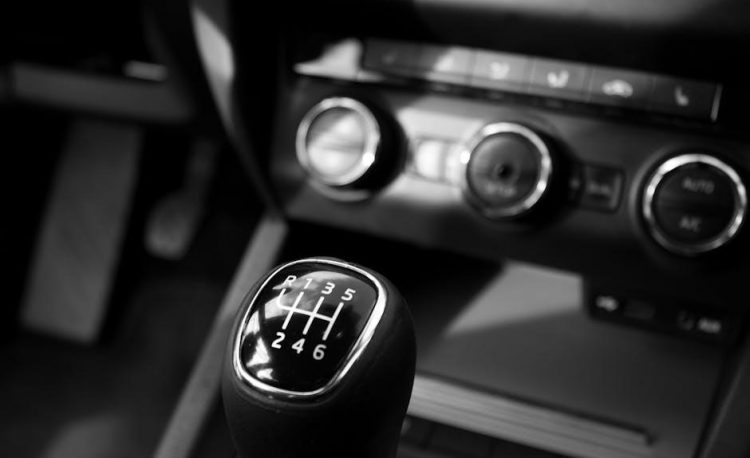
Renting a manual transmission car presents a unique experience, though availability is dwindling due to shifting driver preferences and automatic transmission dominance․
Enthusiasts and budget-conscious travelers still seek this option, potentially unlocking savings and a more engaging driving experience, especially in regions like Argentina․
The Declining Availability of Manual Cars
The prevalence of manual transmission vehicles is rapidly decreasing, particularly within the United States car market․ Industry trends demonstrate a clear shift towards automatic transmissions, driven by consumer demand for ease of use․ Even performance and sports car manufacturers, like BMW, Ferrari, Porsche, and Lamborghini, are increasingly offering only automatic options․
This trend extends to rental fleets, making finding a manual car increasingly challenging․ Experts predict that manual transmissions may disappear entirely from new vehicles within a few years, severely limiting rental possibilities․
Why Choose a Manual Transmission Rental?
Opting for a manual transmission rental offers several compelling advantages․ For driving enthusiasts, it provides a more engaging and connected driving experience, enhancing control and enjoyment․ Budget-conscious travelers may find significant cost savings, as manual cars are often cheaper to rent, particularly in locations like Argentina where the price difference can be substantial․
Furthermore, driving a manual can be a skill-enhancing experience, allowing drivers to refine their technique and understanding of vehicle mechanics․ It’s a chance to truly drive․
Finding Rental Companies That Offer Manuals
Locating manual transmission rentals requires focused searching, as traditional companies offer limited options; peer-to-peer platforms like Turo often present the best availability․
Traditional Rental Companies (Avis, Hertz, Enterprise)
Securing a manual transmission from established rental giants like Avis, Hertz, and Enterprise is increasingly challenging․ Reports indicate a significant decline in manual vehicle offerings within their fleets across the USA․
Due to the “laziness of American driver folk,” as noted in online forums, these companies prioritize automatic transmissions to meet prevailing consumer demand․
While not entirely impossible, finding a manual option requires diligent searching, often involving specific requests and potentially contacting individual rental locations directly․
Expect limited availability and potentially higher rates if a manual is even offered, as they are considered a niche request․
Peer-to-Peer Rental Platforms (Turo)
Turo emerges as the most promising avenue for locating manual transmission rentals․ Unlike traditional companies, Turo’s platform connects renters with individual car owners, increasing the likelihood of finding a stick shift vehicle․
This is because individual owners are more likely to retain vehicles catering to specific preferences, such as manual transmissions, which larger companies are phasing out․
However, renters should carefully review vehicle listings and confirm the transmission type before booking․
Turo often requires confirming your ability to drive a manual to avoid potential damage liability․
Specialty Rental Agencies
Beyond mainstream and peer-to-peer options, specialty rental agencies sometimes cater to driving enthusiasts seeking manual transmission vehicles․ These agencies often focus on performance or classic cars, where manual transmissions remain prevalent․
Locating these agencies requires dedicated research, as they aren’t as widely advertised as larger rental companies․
They may specialize in specific vehicle types, offering a curated selection including stick-shift options․
Expect potentially higher rental rates compared to standard agencies, reflecting the niche market and specialized vehicles offered․
The Rental Process: What to Expect
Expect confirmation of manual availability, potential proof of driving ability, and a thorough review of the rental agreement, particularly regarding liability for drivetrain damage․
Confirming Manual Transmission Availability
Securing a manual transmission rental requires proactive steps․ Due to their decreasing prevalence, simply booking a “car” isn’t enough; specifically request a manual vehicle during the reservation process․
Follow up with the rental company directly – a phone call is often more effective than online inquiries – to re-confirm availability closer to your pick-up date․
Be prepared for the possibility that your request cannot be honored, even with prior confirmation, as inventory can change rapidly․ Peer-to-peer platforms like Turo often offer better odds, but still require diligent searching and communication with the vehicle owner․
Proof of Manual Driving Ability
Rental companies are increasingly cautious about manual transmission rentals․ Expect potential requirements to demonstrate proficiency, safeguarding them against drivetrain damage claims․ Some may request you sign a document acknowledging your experience․
More stringent agencies might even ask for proof of manual driving ability before handing over the keys․ This could involve a brief driving assessment or a review of your driving record․
Honesty is crucial; attempting to rent a manual without the necessary skills could lead to accidents, damage, and denied insurance coverage․
Rental Agreements and Liability
Carefully review the rental agreement, specifically clauses concerning manual transmission vehicles․ Pay close attention to sections detailing liability for drivetrain damage – a significant concern with manual rentals․
Understand that improper clutch and gear usage can lead to costly repairs, for which you may be held responsible․ Some agreements explicitly state this, requiring a signed acknowledgement of your driving capability․
Ensure your insurance covers such potential damages before accepting the rental, and document any pre-existing conditions to avoid disputes․
Cost Considerations: Savings and Potential Expenses
Manual transmission rentals often offer lower daily rates, particularly in locations like Argentina, but savings depend on vehicle category and availability․
Potential Cost Savings with Manual Transmissions
Securing a manual transmission rental can frequently translate into noticeable financial benefits for the savvy traveler․ As automatic transmissions become increasingly prevalent, demand for manuals decreases, leading rental companies to offer them at reduced rates․
This price difference can be particularly significant in certain global markets, such as Argentina, where the disparity between manual and automatic rental costs can be substantial – potentially exceeding $70 per day, as reported by Stick Shift Driving Academy․
However, it’s crucial to remember that savings aren’t guaranteed across all vehicle classes, and thorough research is essential to identify the best deals․
Possible Additional Fees or Requirements
Renting a manual transmission vehicle may involve more than just the standard rental fees․ Companies are increasingly cautious due to potential drivetrain damage from inexperienced drivers․ Consequently, some require renters to sign a document confirming their proficiency in operating a manual transmission․
Furthermore, a few agencies might even request proof of manual driving ability before releasing the vehicle․
Be prepared for potential liability if the drivetrain sustains damage during your rental period, as highlighted by First Quarter Finance, emphasizing the importance of driver confidence․
Geographical Price Variations (e․g․, Argentina, Europe)
Manual transmission rental costs demonstrate significant geographical variation․ In Europe, while manuals were once standard, their pricing advantage is diminishing with increasing automatic availability․ However, substantial savings can still be found compared to automatics․
Argentina presents a particularly striking example, as noted by Stick Shift Driving Academy․ A manual Ford rental on Sixt․com could be found for around $50․25 per day, while the equivalent automatic Ford Focus cost $121․25 – more than double the price!
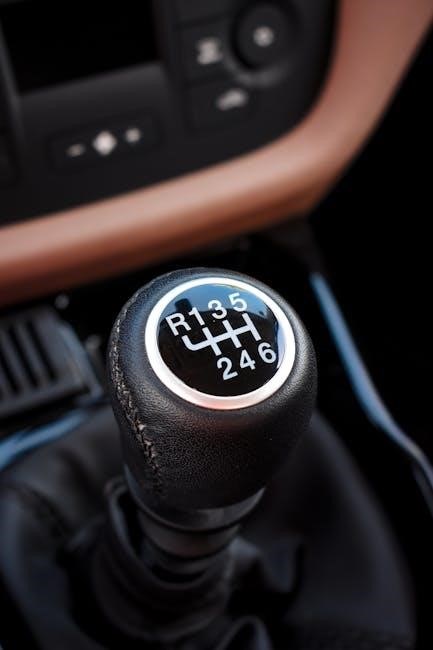
Driving a Rental Manual: A Refresher
For those less familiar, mastering basic manual operation – clutch control, smooth shifting, and hill starts – is crucial for a safe and enjoyable rental experience․
Basic Manual Transmission Operation
Understanding the fundamentals of a manual transmission is key to confidently operating a rental․ The clutch pedal, located furthest to the left, disengages the engine from the wheels, allowing gear changes․
The gear stick controls which gear you’re in, requiring a coordinated press of the clutch and movement of the stick․
Depress the clutch fully before shifting, move the stick to the desired gear, and slowly release the clutch while gently applying the gas․
Practice smooth engagement to avoid stalling or jerky movements, ensuring a comfortable drive․
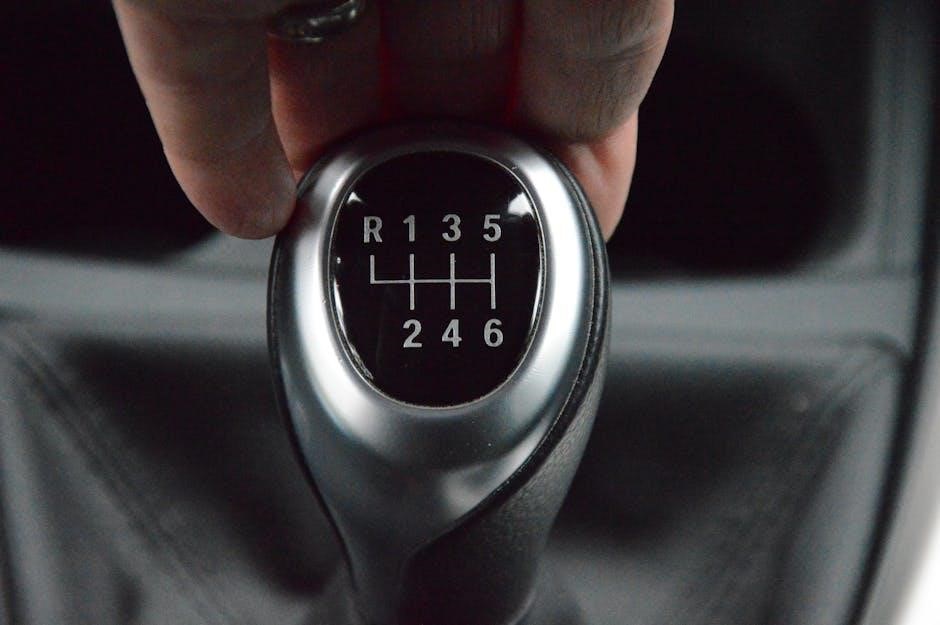
Hill Starts and Smooth Shifting
Mastering hill starts requires coordination to prevent rolling backward․ Engage the handbrake, then follow the usual clutch and gas procedure․ As you release the clutch and apply gas, simultaneously release the handbrake․
Smooth shifting involves anticipating gear changes based on speed and engine RPM․
Downshift before entering a turn or slowing down, and upshift as you accelerate․
Practice finding the “friction point” of the clutch for seamless transitions, minimizing jerks and maximizing control, especially on inclines․
Understanding Clutch Control
Clutch control is paramount in a manual transmission․ The clutch pedal disengages the engine from the wheels, allowing gear changes․ Slowly releasing the clutch while applying gas engages the engine, initiating movement․
Finding the “friction point” – where the engine begins to engage – is crucial for smooth starts and shifts․
Avoid “dumping” the clutch, which causes jerky movements and potential stalling․
Practice smooth engagement to prevent wear and tear on the drivetrain, and ensure a comfortable driving experience․
Potential Risks and Damage Liability
Driving a manual carries risks; drivetrain damage is a concern, potentially leading to liability for renters unfamiliar with proper operation and clutch control․
Drivetrain Damage and Responsibility
Rental companies often place significant responsibility on the driver when renting a manual transmission vehicle․ Specifically, damage to the drivetrain – encompassing the clutch, transmission, and related components – is a major concern․
Unlike typical wear and tear, damage resulting from driver error, such as improper shifting, riding the clutch, or aggressive driving, can lead to substantial repair costs․
Many rental agreements explicitly state that the renter assumes financial responsibility for such damage, potentially exceeding standard insurance coverage․ Therefore, renters must be confident in their manual driving skills to avoid costly liabilities․
Insurance Coverage for Manual Rentals
Standard rental car insurance may not fully cover drivetrain damage in manual transmission vehicles․ Many policies exclude damage stemming from misuse, and improper shifting or clutch operation often falls into this category․
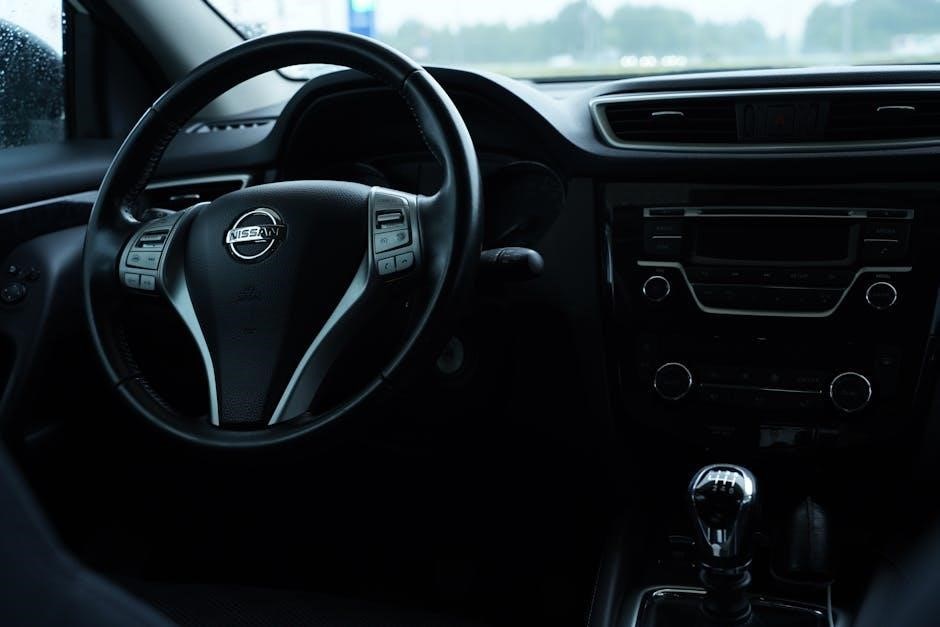
Renters should carefully review their insurance coverage, whether through the rental company, their personal auto policy, or a credit card benefit, to understand the extent of protection․
Supplemental Liability Insurance (SLI) offered by rental companies might provide broader coverage, but it’s crucial to confirm if it specifically includes manual transmission-related issues․
Pre-Rental Inspection for Existing Damage
A thorough pre-rental inspection is paramount, especially with manual vehicles․ Carefully document any existing scratches, dents, or mechanical issues before leaving the rental lot․ Pay close attention to the clutch pedal’s feel and any unusual noises during gear changes․
Photograph or video record all identified damage, ensuring date and time stamps are visible․ This documentation serves as crucial evidence should any disputes arise regarding pre-existing conditions upon return․
Specifically note the condition of the synchronizers; rough shifting could indicate pre-existing wear․

Manual Transmission Rentals in Specific Locations
Availability varies greatly by region; finding manuals in the USA is challenging, while Europe and South America (like Argentina) offer more options for rentals․
Availability in the USA
Securing a manual transmission rental in the United States is increasingly difficult․ The prevalence of automatic transmissions, driven by American driver preference, has led to a significant decline in manual vehicle offerings from major rental companies․
Traditional agencies like Avis, Hertz, and Enterprise rarely stock manual cars, and if they do, availability is extremely limited and often location-dependent․
The Chicago Forum on Tripadvisor notes manuals are becoming an “endangered species” and predicts their complete disappearance from new vehicles soon․ Peer-to-peer platforms like Turo currently represent the best chance for locating a manual transmission vehicle within the USA․
Availability in Europe
Europe generally offers significantly better availability of manual transmission rental cars compared to the United States․ Manual transmissions remain popular among European drivers, resulting in a larger supply of vehicles equipped with stick shifts;
While major rental companies may not always guarantee a manual, they are more likely to have options available, particularly in smaller vehicle classes․
The potential for cost savings when choosing a manual is also more pronounced in Europe, making it an attractive option for budget-conscious travelers․ Researching specific rental locations is still crucial, however, to confirm availability․
Availability in South America
South America, particularly Argentina, presents a strong opportunity for securing a manual transmission rental car․ Unlike North America, manuals are still widely used by local drivers, influencing rental fleet composition․
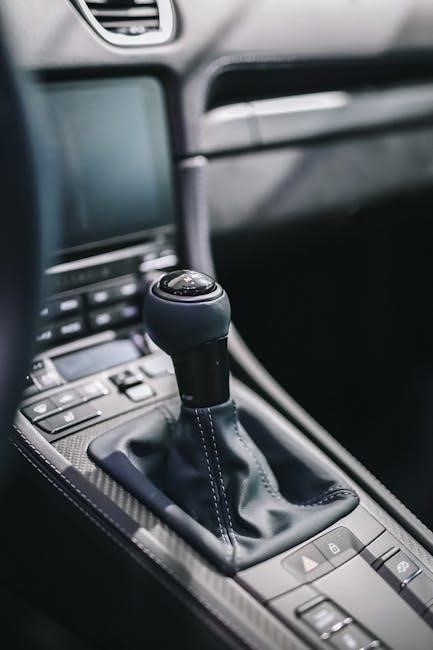
Significant cost differences can be observed, with manual options often being considerably cheaper than automatics – for example, a Ford rental in Argentina could be half the price․

However, availability can vary by country and rental agency, so thorough research and advance booking are recommended to guarantee a manual vehicle for your trip․
Alternatives if a Manual Isn’t Available
If a manual transmission isn’t available, consider a different vehicle category or explore automatic transmission options to fulfill your rental needs effectively․
Considering a Different Vehicle Category
When a manual transmission proves elusive, broadening your search to different vehicle categories can unlock rental possibilities․ Perhaps you initially sought a compact car, but an SUV or sedan with an automatic transmission might be readily available․
This flexibility expands your options and ensures you secure transportation․ Don’t limit yourself to a specific model; consider the practicalities of your trip․
Evaluate luggage space, passenger capacity, and terrain requirements․ A larger vehicle might offer greater comfort and utility, even if it wasn’t your first choice․ Prioritize functionality over transmission type to avoid disappointment․
Exploring Automatic Transmission Options
Given the declining prevalence of manual cars, especially in the USA, embracing automatic transmission options is often the most pragmatic solution; Modern automatics offer smooth shifting, fuel efficiency, and enhanced driving convenience․
While some driving purists may lament the loss of control, automatics eliminate the learning curve and potential for clutch-related issues․
Consider the benefits: reduced driver fatigue, particularly on long journeys, and ease of use in congested traffic․ Ultimately, a reliable automatic ensures a stress-free rental experience, even if it wasn’t the initial preference․
Re-evaluating Rental Needs
If a manual transmission proves unattainable, a thorough re-evaluation of your rental needs is crucial․ Consider if driving a manual was a core requirement or simply a preference․
Perhaps a different vehicle category – a compact car instead of a sports car – offers an automatic option that still meets your transportation goals․
Assess the terrain and driving conditions; automatics excel in stop-and-go traffic․ Prioritize reliability and convenience over a specific transmission type, ensuring a smooth and enjoyable trip despite the initial disappointment․
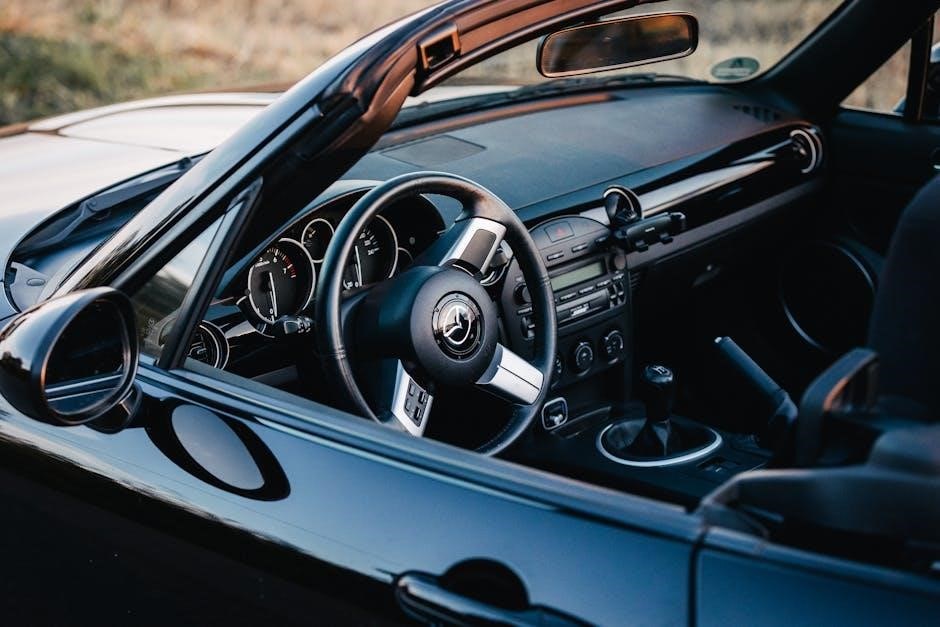
Resources for Learning or Re-learning Manual Driving
For those needing a refresher, resources like Stick Shift Driving Academy and online tutorials offer valuable instruction․ Practice with a friend’s vehicle builds confidence!
Stick Shift Driving Academy
Stick Shift Driving Academy provides comprehensive instruction for both beginners and those needing to re-familiarize themselves with manual transmissions․ Recognizing the declining skill set among drivers, they offer hands-on lessons designed to build confidence and competence behind the wheel of a stick shift vehicle․

This is particularly useful when considering a car rental manual transmission, as damaging the drivetrain can lead to significant financial responsibility․
Their courses cover fundamental techniques, hill starts, smooth shifting, and clutch control, ensuring renters are well-prepared and minimizing potential risks during their rental period․
Online Tutorials and Videos
Online tutorials and videos offer a convenient and accessible resource for learning or refreshing manual transmission skills before embarking on a car rental manual transmission experience․ Numerous platforms host detailed guides covering everything from basic operation to advanced techniques like smooth shifting and clutch control․
These resources can be invaluable for building confidence, especially given the dwindling prevalence of manual cars and the potential for drivetrain damage liability․
Supplementing these with practical practice is highly recommended for optimal preparedness․
Practice with a Friend’s Vehicle
Practicing with a friend’s vehicle provides invaluable hands-on experience before attempting a car rental manual transmission․ This allows for familiarization with clutch control, gear changes, and hill starts in a low-pressure environment, minimizing the risk of damaging the rental car’s drivetrain․
Given the potential liability for such damage, and the declining availability of manuals, practical rehearsal is crucial․
It’s a far better approach than learning solely from online resources, building confidence and skill;