
Article Plan: Tour Guide Remark at Challah Factory
This article explores crafting impactful commentary during challah factory tours‚ blending historical context‚ baking science‚ and personal connections for a memorable experience.
Challah‚ traditionally a Sabbath and holiday bread‚ has transcended its religious origins to become a globally recognized culinary delight. The recent surge in food tourism and experiential tours reveals a surprising demand for witnessing its creation firsthand. Visitors aren’t merely seeking a loaf of bread; they crave connection – to tradition‚ to process‚ and to community.
The appeal lies in the tactile nature of baking‚ the aroma filling the air‚ and the story woven into each braid. As evidenced by the growing number of challah factory tours‚ particularly in places like Bnei Brak‚ this isn’t just about consumption; it’s about participation in a cultural narrative. Even post-pandemic‚ shared experiences around food‚ like baking challah‚ continue to bind families and communities together.
The Rise of Food Tourism & Experiential Tours
Modern travelers increasingly prioritize immersive experiences over passive sightseeing. Food tourism‚ a significant component of this trend‚ offers a direct connection to local culture and heritage. Experiential tours‚ like those offered at challah factories‚ capitalize on this desire for authenticity and hands-on engagement. This shift reflects a broader yearning for meaningful travel‚ moving beyond simply “seeing” a place to actively “doing” something within it.
The demand extends beyond established culinary destinations; even niche experiences‚ such as observing challah production‚ are gaining traction. Tour companies are recognizing the value of incorporating unique‚ locally-rooted activities into their itineraries‚ catering to a clientele seeking more than just typical tourist fare. This trend fuels the growth of specialty food production and related tourism opportunities.
Why Challah? Cultural Significance & Modern Interest
Challah transcends mere bread; it’s a deeply symbolic food within Jewish tradition. Traditionally enjoyed on Shabbat and holidays‚ its braided form and egg-rich dough represent blessings and abundance. This rich history resonates with visitors seeking cultural understanding. Beyond its religious roots‚ challah has experienced a modern resurgence in popularity‚ becoming a beloved comfort food and a symbol of Jewish identity for many.
The appeal extends to non-Jewish individuals intrigued by its unique baking process and beautiful presentation. The Jerusalem Challah Experience highlights this growing interest‚ demonstrating a desire for hands-on engagement with Jewish culinary practices. This blend of tradition and contemporary appeal makes a challah factory tour uniquely compelling.

The Challah Factory Tour Experience
Witness challah’s journey from raw ingredients to golden loaves! Tours in Bnei Brak offer a fascinating glimpse into traditional Jewish baking and modern production.
Setting the Scene: Bnei Brak & Jewish Baking Traditions
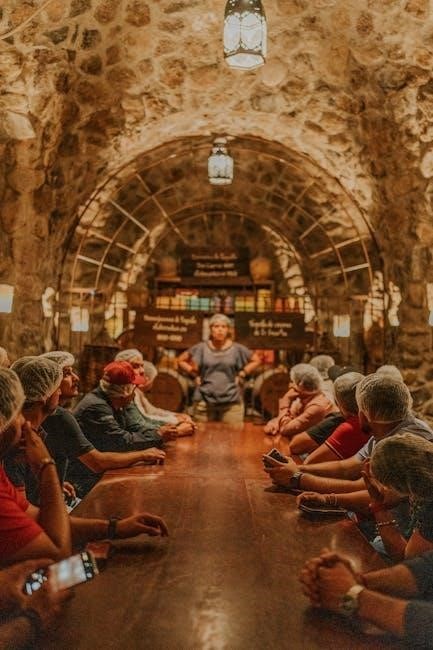
Welcome to Bnei Brak‚ a city deeply rooted in Jewish life and tradition! For generations‚ this area has been a center for religious study and‚ importantly‚ for artisanal food production. Before we delve into the challah-making process‚ it’s crucial to understand the significance of this location.
Jewish baking isn’t merely about sustenance; it’s interwoven with ritual and symbolism. Challah‚ specifically‚ holds a special place in Shabbat and holiday observances. The very act of baking‚ the careful kneading‚ and the braiding – all carry meaning. We’re standing in a place where these traditions are not just remembered‚ but actively lived and created daily. This factory isn’t just a business; it’s a continuation of a centuries-old heritage‚ a delicious link to our past.
What Visitors See: From Flour to Finished Product
Prepare to witness a fascinating transformation! Our tour will take you through every stage of challah production‚ starting with the raw ingredients – mountains of flour‚ the heart of our process. You’ll observe the large-scale mixing‚ a far cry from home baking‚ yet still requiring precision.
Next‚ we’ll see the dough undergo its first rise‚ then the skilled hands expertly dividing and braiding each loaf. Notice the different braiding styles – each with its own symbolism! Finally‚ we’ll arrive at the baking and cooling stages‚ culminating in the golden-brown‚ fragrant challahs ready for distribution. It’s a surprisingly swift process‚ considering the artistry involved‚ and a testament to the factory’s efficiency and dedication.
The Role of the Tour Guide: More Than Just Facts
A successful tour guide transcends simply reciting information. We aim to be storytellers‚ weaving together the technical aspects of challah baking with its rich cultural and historical significance. It’s about connecting visitors to the experience – evoking memories‚ sparking curiosity‚ and fostering a deeper appreciation for this beloved bread.
Beyond explaining the process‚ we facilitate interaction‚ answering questions and encouraging observations. We act as cultural ambassadors‚ bridging understanding between traditions. A great guide anticipates visitor interests‚ tailoring commentary to resonate with diverse backgrounds. Ultimately‚ we strive to leave guests with a lasting impression‚ far beyond a simple factory visit.
Crafting the Remark: Key Elements of a Memorable Guide Commentary
Effective commentary blends historical insights‚ baking science‚ and artisanal appreciation‚ creating a narrative that resonates with visitors on multiple levels and enhances their experience.
Connecting Challah to Jewish History & Ritual
“Look around you – this isn’t just bread; it’s a tangible link to centuries of Jewish tradition.” A skilled guide will weave tales of challah’s origins‚ tracing it back to offerings in the Temple in Jerusalem. Explain its symbolic importance on Shabbat and holidays‚ representing manna from heaven and the twelve tribes of Israel.
Discuss the custom of separating challah‚ a mitzvah with deep roots. Mention how challah evolved across different Jewish communities – Sephardic‚ Ashkenazi – each with unique shapes and ingredients. Highlight its presence at lifecycle events‚ from births to weddings‚ solidifying its role as a cornerstone of Jewish identity and celebration. Emphasize that each loaf embodies a rich cultural and spiritual heritage.
Explaining the Baking Process: Science & Tradition
“What appears simple is actually a beautiful interplay of science and time-honored techniques.” A compelling guide will demystify challah’s texture‚ explaining the role of gluten development and the impact of enriched dough – eggs‚ oil‚ and honey. Discuss the importance of proper kneading‚ comparing it to building strength and resilience.
Explain why proofing is crucial‚ linking it to the yeast’s activity and the dough’s rise. Detail the traditional braiding methods‚ noting how each style carries symbolic meaning. Connect the baking temperature to the Maillard reaction‚ responsible for the golden-brown crust. Emphasize that this isn’t merely following a recipe; it’s a practiced art passed down through generations;
Highlighting the Artisanal Aspect: Skill & Dedication
“Look closely – you’re witnessing a skill honed over years‚ a dedication to quality that’s increasingly rare.” A great tour guide emphasizes the human element. Point out the bakers’ precise movements‚ their ability to assess dough consistency by touch‚ and the speed with which they braid.
Discuss the long hours and physical demands of the job‚ contrasting it with automated production. Explain that each loaf isn’t just a product‚ but a testament to the baker’s commitment. Highlight the factory’s commitment to traditional methods‚ even amidst modern efficiency. Emphasize the pride taken in creating a product central to Jewish celebrations and family traditions.

Types of Remarks a Guide Might Make
Guides can employ humor‚ personal stories‚ and interactive questions to connect with visitors‚ enriching the tour beyond factual information about challah production.
Humorous Observations About Challah’s Popularity
“You know‚ challah is so popular‚ it practically has its own fan club! It’s the bread that launched a thousand Friday nights‚ and honestly‚ I’m not surprised. It’s beautiful‚ it’s delicious‚ and it’s incredibly photogenic – perfect for Instagram‚ wouldn’t you say?”
“I’ve heard stories of people dreaming about challah. Seriously! It’s a carb-lover’s obsession. We even had a visitor once who tried to smuggle a whole loaf back to Australia in their carry-on. Security wasn’t amused‚ but we understood the desperation!”

“It’s amazing how a simple bread can inspire such devotion. Perhaps it’s the braiding‚ the golden color‚ or the sheer joy of tearing off a piece. Whatever it is‚ challah clearly holds a special place in people’s hearts…and stomachs!”
Personal Anecdotes Relating to Challah & Family
“For my family‚ challah isn’t just food; it’s a tradition. My grandmother‚ bless her soul‚ always made challah from scratch‚ and the aroma filled the entire house. It signaled the start of Shabbat‚ a time for togetherness and peace. I remember trying to ‘help’ her braid it as a child – it was always a sticky mess!”
“Even now‚ when I bake challah‚ I feel connected to her. It’s a way of keeping her memory alive and passing down that tradition to my own children. There’s something incredibly comforting about that continuity.”
“We always had a ‘challah fight’ after the blessing – a gentle‚ playful scramble for the best pieces. It’s a silly tradition‚ but it’s our tradition‚ and it always brings a smile to my face.”
Engaging Questions to Spark Visitor Interaction
“Does anyone here have a special tradition surrounding challah in their family? Perhaps a specific shape‚ a particular topping‚ or a unique way of serving it?”
“I’m curious‚ what’s the first word that comes to mind when you think of challah? Is it ‘sweet‚’ ‘Shabbat‚’ ‘family‚’ or something else entirely?”
“Considering the time and effort that goes into making challah by hand‚ do you think that impacts how you appreciate it when you eat it?”
“Have any of you ever tried making challah yourselves? What was the biggest challenge you faced? And would you attempt it again?”
“Finally‚ thinking about food tourism‚ what other culinary experiences would you be interested in exploring?”

Beyond the Bake: The Wider Context
The factory serves as a community hub‚ boosting the local economy through specialty food production and attracting Jewish food tourism interest.
The Challah Factory as a Community Hub
Beyond its commercial function‚ this challah factory deeply intertwines with the Bnei Brak community. It’s a place where generations connect‚ sharing traditions and stories woven into each loaf. The aroma isn’t just of baking bread; it’s a scent of belonging.
Local families often have longstanding relationships with the factory‚ providing a consistent workforce and fostering a sense of shared ownership. The factory frequently donates challah to local charities and organizations‚ strengthening its role as a benevolent neighbor. It’s not simply a production facility‚ but a social cornerstone‚ hosting events and welcoming visitors‚ becoming a vibrant symbol of Jewish heritage and communal spirit.
The Economic Impact of Specialty Food Production
Specialty food production‚ like artisanal challah baking‚ significantly impacts local economies. This factory isn’t just creating a delicious product; it’s generating employment opportunities within Bnei Brak and supporting related businesses – flour mills‚ packaging suppliers‚ and distribution networks.
The growing demand for authentic Jewish foods‚ fueled by food tourism and diaspora communities‚ drives economic growth. This factory’s success demonstrates the potential of niche markets. Furthermore‚ the “Jerusalem Challah Experience” actively encourages tour companies to include such visits‚ boosting tourism revenue. Investment in quality ingredients and skilled labor contributes to a higher economic multiplier effect‚ benefiting the entire region.
Future Trends in Jewish Food Tourism
Jewish food tourism is poised for continued expansion‚ moving beyond simple culinary experiences towards immersive cultural engagements. Expect increased demand for hands-on workshops – like challah baking – and tours focused on the stories behind the food.
Personalized itineraries catering to specific dietary needs (kosher‚ vegan) and ancestral connections will become more prevalent. Digital integration‚ utilizing augmented reality to showcase baking traditions‚ is also likely. The desire for authentic experiences‚ as evidenced by the Jerusalem Challah Experience’s popularity‚ will drive growth. Post-pandemic‚ communal food experiences‚ like family challah gatherings‚ are regaining prominence‚ further fueling this trend.
A well-crafted guide remark elevates a factory tour‚ transforming it into a sensory-rich‚ culturally significant experience that resonates long after departure.
The Power of Sensory Experiences in Tourism
Tourism increasingly prioritizes immersive‚ multi-sensory experiences‚ moving beyond simple sightseeing. A challah factory tour is uniquely positioned to capitalize on this trend. The aroma of baking bread‚ the visual appeal of braiding‚ the tactile sensation of the dough – these elements forge a powerful connection with visitors.
A skilled tour guide can amplify these sensations through evocative language‚ prompting guests to truly feel the tradition and artistry. Describing the warmth radiating from the ovens‚ or the soft texture of a perfectly proofed loaf‚ transforms observation into participation. This sensory engagement fosters deeper understanding and lasting memories‚ making the experience far more impactful than merely reciting facts. It’s about creating a feeling‚ a connection to something authentic and delicious.
Why a Well-Delivered Remark Matters
A thoughtfully crafted remark transcends simple information delivery; it’s the key to transforming a factory tour into a meaningful cultural encounter. The guide’s commentary bridges the gap between production and tradition‚ illuminating the challah’s significance beyond its deliciousness. A captivating anecdote about a family’s Shabbat table‚ or a historical connection to Jewish rituals‚ elevates the experience.
Without engaging commentary‚ the tour risks becoming a sterile observation of machinery. A well-timed humorous observation or a thought-provoking question sparks interaction and deepens understanding. Ultimately‚ the guide’s ability to connect with visitors on a personal level determines whether the visit becomes a cherished memory or just another stop on an itinerary. It’s about storytelling‚ not just showing.