Minka-Aire Remote Control Instructions: A Comprehensive Guide
Navigating Minka-Aire fan controls requires understanding remote functions‚ pairing procedures‚ and troubleshooting steps; this guide offers detailed assistance for optimal operation.
Understanding Your Minka-Aire Remote
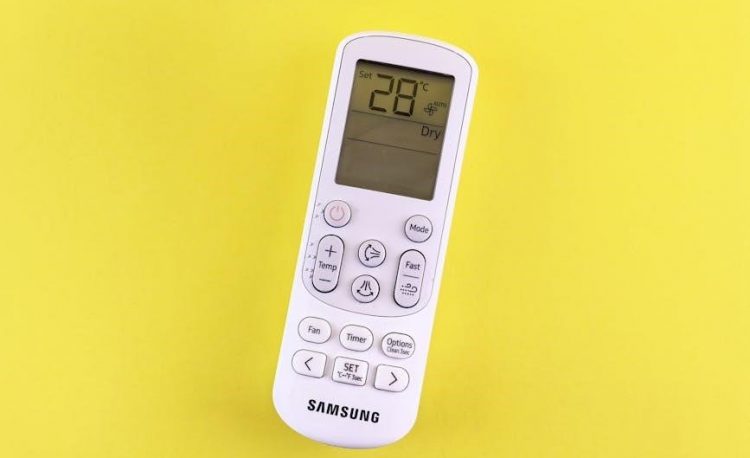
Your Minka-Aire remote is the central hub for controlling your ceiling fan’s functions‚ offering convenience and customization. Remotes typically feature buttons for power‚ speed adjustments (High‚ Medium‚ Low)‚ and light control‚ including on/off and dimming capabilities. More advanced models incorporate features like reverse direction‚ timer settings‚ and a breeze function for simulating natural airflow.
Familiarize yourself with the button layout and their corresponding actions. The remote’s design varies by model‚ but common elements include a clear display and intuitive button placement. Understanding these basics is crucial before attempting pairing or troubleshooting. Remember that accessing resources like the Wits LMS (Ulwazi) won’t directly help with remote operation‚ but demonstrates the importance of accessible information.
Remote Control Compatibility
Minka-Aire remotes aren’t universally interchangeable; compatibility depends on the fan model and remote’s frequency. While some universal remotes can control Minka-Aire fans‚ successful programming isn’t guaranteed. Searching for your specific code within the universal remote’s database is essential. Compatibility issues often arise due to differing signal protocols or feature sets.
Replacement remotes are best sourced directly from Minka-Aire or authorized retailers to ensure full functionality. Utilizing resources like MyWits or Ulwazi (Wits Learning Management System) won’t assist with remote compatibility‚ as they relate to academic platforms. Always verify the remote’s model number matches your fan before purchasing‚ avoiding potential frustration and wasted expense.
Identifying Your Minka-Aire Remote Model
Locating your Minka-Aire remote’s model number is crucial for finding replacements or troubleshooting. The model number is typically found on a sticker located inside the battery compartment‚ or on the remote’s casing itself. It’s often a combination of letters and numbers – for example‚ “RC900” or “F703”.
This number differentiates various remote versions‚ each potentially having unique programming requirements or feature sets. Knowing the model number streamlines the search for compatible replacements‚ avoiding purchasing an incorrect remote. Resources like the Wits ICT Service Desk or Ulwazi (the Wits LMS) won’t provide remote model information; focus on the physical remote itself. Accurate identification ensures optimal fan control.
Initial Setup and Pairing
Successfully pairing your Minka-Aire remote ensures seamless fan control; follow the manufacturer’s instructions carefully for a stable connection and optimal performance.
Pairing the Remote to Your Fan
Establishing a connection between your Minka-Aire remote and ceiling fan is crucial for operation. Typically‚ this involves a specific sequence of power cycles and button presses. Begin by ensuring the fan is powered off. Then‚ cycle the power switch on the wall (or breaker) six times within three seconds – this puts the receiver into pairing mode.
Immediately after the sixth cycle‚ press and hold the ‘Light’ and ‘Fan Speed Down’ buttons simultaneously on the remote for three to five seconds. A successful pairing is usually indicated by the fan light blinking or the fan itself briefly turning on. If pairing fails‚ repeat the process‚ ensuring quick succession of the power cycles and correct button combination. Refer to your specific model’s manual for precise instructions‚ as procedures can vary.
Replacing Batteries
Maintaining optimal remote functionality requires timely battery replacement. When the remote exhibits reduced range‚ delayed response‚ or complete failure to operate‚ batteries are likely the culprit. Most Minka-Aire remotes utilize AAA or AA batteries‚ typically requiring two to four cells. Carefully open the battery compartment‚ usually located on the back or side of the remote‚ using a small screwdriver if necessary.
Remove the old batteries‚ noting the correct polarity (+ and -) indicated within the compartment. Insert fresh batteries‚ ensuring proper alignment. Close the compartment securely. After replacement‚ re-pair the remote with the fan if necessary‚ following the pairing instructions. Regularly check battery levels to prevent unexpected interruptions in fan control.
Troubleshooting Pairing Issues
If your Minka-Aire remote fails to pair with the fan‚ several steps can resolve the issue. First‚ ensure the fan is powered on. Then‚ try removing and reinserting the batteries in both the remote and the fan receiver (if accessible). Confirm no other remotes are interfering – temporarily power off nearby devices. Repeat the pairing process precisely as outlined in the fan’s manual‚ holding the pairing button for the specified duration.
If problems persist‚ check for obstructions between the remote and the fan receiver. A final attempt involves a factory reset of the receiver (consult the manual for instructions) before initiating the pairing sequence again.
Basic Remote Functions
Essential controls include powering the fan on/off‚ adjusting speeds (high‚ medium‚ low)‚ and managing the integrated light’s operation—on‚ off‚ and dimming.
Power On/Off
The primary function of your Minka-Aire remote is controlling the fan’s power state. Typically‚ a dedicated power button‚ often symbolized by a circle with a vertical line‚ initiates this function. A single press usually turns the fan on to its previously selected settings – speed and light level. Pressing the button again will turn the fan off‚ returning it to a standby mode.
Ensure the fan is receiving power from the wall switch before attempting remote operation. Some models feature a momentary power button‚ requiring a continued press‚ while others utilize a toggle-style press. If the fan doesn’t respond‚ verify the remote’s batteries and proper pairing (detailed in the ‘Initial Setup’ section). Consistent operation relies on a clear signal and sufficient battery power.
Speed Control (High‚ Medium‚ Low)
Minka-Aire remotes commonly feature dedicated buttons for adjusting fan speed – typically labeled High‚ Medium‚ and Low. These buttons cycle through the available speed settings with each press. Some remotes utilize a single speed control button that‚ when pressed repeatedly‚ steps through the speeds. Observe the fan’s response to confirm the selected level.
Certain advanced models may incorporate a ‘Smart’ or ‘Auto’ speed setting‚ adjusting airflow based on room temperature. The remote’s display‚ if equipped‚ will often indicate the current speed setting. If speed control is erratic‚ check battery levels and ensure the remote is properly paired with the fan. Consistent operation depends on a strong signal and functional batteries.
Light Control (On/Off‚ Dimming)
Minka-Aire remotes typically include dedicated buttons for controlling the integrated light fixture. A primary ‘Light’ button toggles the light on and off. Many models also feature dimming capabilities‚ often controlled by separate ‘Dim Up’ and ‘Dim Down’ buttons‚ or a single button with prolonged pressing for dimming adjustment.
Some remotes support multiple lighting modes‚ such as full brightness‚ half brightness‚ or a night light setting. Ensure the bulb type is compatible with dimming functions to avoid flickering or malfunction. If the light doesn’t respond‚ verify the bulb is securely installed and functioning‚ and check the remote’s pairing status. Proper functionality relies on a compatible bulb and a stable connection.

Advanced Remote Features
Explore features like reverse direction‚ timer settings for automated operation‚ and the Breeze function‚ simulating natural wind variations for enhanced comfort.
Reverse Function (Forward/Reverse)
The reverse function on your Minka-Aire remote allows you to change the direction of the fan blades – crucial for seasonal comfort. In warmer months‚ a downward airflow creates a cooling breeze‚ effectively circulating air throughout the room.
Conversely‚ during colder seasons‚ switch to an upward airflow. This gently redistributes warm air trapped near the ceiling‚ improving heating efficiency without significantly altering the thermostat.
To activate the reverse function‚ locate the dedicated “Reverse” button on your remote. A single press typically toggles between the forward and reverse directions. Observe the fan blades to confirm the direction change. This feature optimizes your fan’s performance year-round‚ providing both cooling and heating benefits.
Timer Settings
Minka-Aire remotes often include timer settings for automated fan operation‚ enhancing convenience and energy savings. These timers allow you to pre-set a duration after which the fan will automatically turn off‚ eliminating the need for manual intervention.
Typically‚ you’ll find timer buttons labeled with increments like 1 hour‚ 2 hours‚ 4 hours‚ and sometimes even 8 hours. Repeatedly pressing the timer button cycles through the available durations.
Once a timer is set‚ the fan will run for the specified period before automatically powering down. This is ideal for use while sleeping or leaving a room‚ ensuring comfort without wasted energy. Refer to your specific remote model’s manual for detailed timer functionality.
Breeze Function Operation
The Breeze function on many Minka-Aire remotes simulates a natural wind experience by varying the fan speed. Instead of a constant airflow‚ the Breeze function gently fluctuates between different speed settings‚ creating a more comfortable and less noticeable airflow.
To activate the Breeze function‚ locate the dedicated button on your remote‚ often symbolized by a wave or leaf icon. Pressing this button initiates the variable speed operation.
The fan will then cycle through low‚ medium‚ and high speeds at irregular intervals‚ mimicking a natural breeze. This feature is particularly appreciated during sleep‚ as it prevents the sensation of a constant‚ potentially chilling airflow.
Troubleshooting Common Issues
Addressing unresponsive remotes‚ fans‚ or lights involves checking batteries‚ re-pairing the device‚ and verifying code compatibility for seamless Minka-Aire control.
Remote Not Responding
If your Minka-Aire remote isn’t responding‚ begin with the simplest solutions. First‚ ensure fresh batteries are correctly installed‚ paying attention to polarity. Weak batteries are a frequent cause of remote failure. Next‚ verify there’s no physical obstruction between the remote and the fan’s receiver.
Try resetting the remote by removing the batteries for several minutes‚ then reinserting them. If the issue persists‚ confirm the remote is paired with the fan – a re-pairing process might be necessary (refer to the ‘Pairing the Remote to Your Fan’ section).
Finally‚ inspect the remote for any visible damage. A damaged remote may require replacement. Consider testing with a universal remote to isolate whether the problem lies with the Minka-Aire remote specifically.
Fan Not Responding to Remote
When your Minka-Aire fan doesn’t react to the remote‚ several factors could be at play. Begin by confirming the remote has a clear line of sight to the fan’s receiver‚ free from obstructions. Ensure the fan is receiving power – check the wall switch and circuit breaker.
Next‚ re-pair the remote to the fan‚ following the instructions in the ‘Pairing the Remote to Your Fan’ section. A lost connection is a common issue. If re-pairing doesn’t resolve it‚ try a different set of batteries in the remote.
Inspect the fan’s receiver unit (usually located within the canopy) for any loose connections or visible damage. If problems persist‚ contact Minka-Aire customer support for further assistance.
Light Not Working with Remote
If the light connected to your Minka-Aire fan isn’t responding to the remote‚ first verify the bulb is securely screwed in and hasn’t burned out. Confirm the light function is enabled on the remote itself – accidentally disabling it is a frequent oversight.
Check if the light is controlled separately by a wall switch; if so‚ ensure that switch is in the ‘on’ position. Attempt to re-pair the remote‚ as a disrupted connection can affect both fan and light control.
If using LED bulbs‚ confirm compatibility with your Minka-Aire fan model. Incompatible bulbs can cause erratic behavior. Contact Minka-Aire support if the issue continues.

Finding Replacement Remotes
Lost your Minka-Aire remote? Explore authorized retailers‚ the Minka-Aire website‚ or consider programming a universal remote for convenient control.
Where to Purchase Replacement Remotes
Locating a replacement Minka-Aire remote is often straightforward. Begin by visiting the official Minka-Aire website; they frequently stock genuine replacements for various models. Alternatively‚ explore major online retailers like Amazon and eBay‚ where numerous sellers offer compatible remotes.
Home improvement stores such as Home Depot and Lowe’s may also carry select Minka-Aire remote options. When purchasing‚ carefully verify the model number to ensure compatibility with your specific fan. Searching for “Remote Control Compatible For Minka Aire” will yield relevant results. Be cautious of generic remotes and prioritize genuine Minka-Aire parts for optimal functionality and a seamless user experience.
Universal Remote Compatibility
While dedicated Minka-Aire remotes offer the best compatibility‚ universal remotes can provide a cost-effective alternative. Many popular universal remote brands‚ like Logitech Harmony‚ boast extensive device libraries including ceiling fan support. However‚ successful programming requires finding the correct code for your Minka-Aire model.
Consult the universal remote’s manual or online database for Minka-Aire code lists. If a direct match isn’t available‚ utilize the auto-search function‚ systematically testing codes until the remote controls your fan. Patience is key! Remember that some advanced features might not be fully supported by a universal remote.
Programming a Universal Remote for Minka-Aire
To program your universal remote‚ begin by entering programming mode – consult your remote’s manual for specific instructions. Next‚ access the device code list for ceiling fans‚ specifically searching for “Minka-Aire.” Input the code directly if found; otherwise‚ employ the auto-search method.
Point the remote at the fan during code testing. If the fan responds‚ confirm the code. If not‚ continue searching. Some remotes require brand-specific setup sequences; Ensure correct wiring and battery levels for reliable communication. Online resources and manufacturer support can assist with complex programming scenarios.
Minka-Aire Remote Control Codes
Accessing correct codes is vital for universal remote compatibility; lists are available online‚ but specific codes vary by Minka-Aire model and remote brand.
Common Code Lists
Numerous online resources compile lists of remote control codes‚ aiming to simplify the programming process for universal remotes used with Minka-Aire ceiling fans. These lists often categorize codes by manufacturer‚ making it easier to narrow down potential matches. However‚ it’s crucial to remember that Minka-Aire utilizes a variety of receiver types and remote models‚ meaning a single‚ universally applicable code is unlikely to exist.
Websites dedicated to remote control codes frequently offer extensive databases searchable by brand and model number. Searching specifically for “Minka-Aire” alongside your universal remote’s brand (e.g.‚ “Minka-Aire Logitech Harmony”) can yield more targeted results. Be prepared to try multiple codes within a list‚ as finding the correct one often involves a process of trial and error. Patience is key when navigating these resources!
Searching for Your Specific Code
Locating the precise code for your Minka-Aire fan and universal remote often requires a systematic approach. Begin by identifying your Minka-Aire fan’s model number‚ typically found on a sticker located on the fan’s motor housing or within the original packaging. Simultaneously‚ determine the exact model of your universal remote control.
Armed with this information‚ explore the manufacturer’s website for both devices. Many universal remote brands (like Logitech Harmony) provide dedicated code lists searchable by fan manufacturer and model. If a direct match isn’t available‚ consult online forums and communities dedicated to home automation; users frequently share successful code combinations. Remember to meticulously document each code attempted to avoid repetition during the search process.
Resources and Support
For assistance‚ contact Minka-Aire customer support or explore their online manuals and FAQs; Wits ICT and Ulwazi offer student portal access.
Minka-Aire Customer Support
Reaching Minka-Aire’s customer support team provides direct assistance with your remote control issues. While specific contact details weren’t directly provided in the source text‚ generally‚ manufacturers offer support through phone‚ email‚ or online chat.
Begin by visiting the official Minka-Aire website – a dedicated support section is typically available. Look for a “Contact Us” or “Support” link. The Wits ICT Service Desk‚ while focused on university systems like Ulwazi and Canvas‚ highlights the importance of central support access.
Prepare your remote model number and purchase date when contacting support; this information expedites the troubleshooting process. Be ready to describe the issue clearly and concisely. Remember that efficient communication leads to faster resolutions.
Online Manuals and FAQs
Minka-Aire likely hosts a comprehensive library of online manuals and frequently asked questions (FAQs) on their official website. These resources are invaluable for self-troubleshooting common remote control problems. Similar to the Ulwazi platform at Wits University‚ which provides learning materials‚ Minka-Aire’s online resources aim for accessible support.
Search for your specific remote model number to find the corresponding manual. FAQs often address pairing issues‚ battery replacement‚ and basic functionality. The availability of downloadable PDFs‚ like the one mentioned in the provided text‚ is common.
These digital resources offer a convenient and immediate solution‚ often resolving issues without needing to contact customer support directly.